Carrageenans are natural polysaccharides extracted from marine red algae, used for decades as gelling, thickening and stabilising agents in the food, pharmaceutical and cosmetics industries. In response to growing demand for naturalness and traceability, raw seaweeds such as Eucheuma cottonii and Hypnea pseudomusciformis offer a direct, documented sourcing alternative.

Eucheuma cottonii (Kappaphycus alvarezii): the industry standard

Eucheuma cottonii, also known by its scientific name Kappaphycus alvarezii, is the red macroalga most widely used worldwide for the production of kappa carrageenan. Grown mainly in the Philippines and Indonesia, it offers particularly high carrageenan content.

Technical specifications

  • Carrageenan content: >65% of dry matter
  • Moisture: <15%
  • Salt content: <3%
  • Certification: GMO-free, sustainable fishing and aquaculture
  • Packaging: 10 kg and 25 kg bags

Industrial applications

Kappa carrageenans from Eucheuma cottonii are listed as food additive E407 under European regulations. They are used as gelling agents in dairy products, desserts, cured meats and seafood products. In cosmetics, they act as texturising and film-forming agents in creams and gels.

Hypnea pseudomusciformis: a differentiating marine ingredient

Hypnea pseudomusciformis is a red macroalga less well known than Eucheuma but with a complementary functional profile. Found along the coasts of West Africa, the Indian Ocean and the Mediterranean, it is harvested sustainably and provides natural kappa carrageenans with a high iodine content.

Technical specifications

  • Natural kappa carrageenans
  • Moisture: <15%
  • High natural iodine content
  • Certification: GMO-free, sustainable harvesting
  • Packaging: 10 kg and 25 kg bags

Industrial applications

Hypnea pseudomusciformis is particularly valued in marine cosmetics for its moisturising and film-forming properties, and in nutraceuticals as a source of natural marine minerals. In the food industry, it is used as a natural gelling and thickening agent to replace synthetic additives.

Benefits of sourcing raw seaweed

Sourcing raw seaweed rather than purified carrageenans offers several benefits for manufacturers with processing capabilities:

  • Lower cost: the raw material is significantly less expensive than purified carrageenan
  • Maximum traceability: documented geographical origin and harvesting supply chain
  • Naturalness: an ingredient of marine origin that has not been chemically processed
  • Flexibility: the extraction process can be adjusted to your requirements

For manufacturers looking to source purified carrageenans, Proforma Tropical can also refer you to qualified suppliers according to the required specifications.

Would you like to evaluate Eucheuma cottonii or Hypnea pseudomusciformis for your formulations?

Request a sample or a quote — reply within 48 hours.


Moringa (Moringa oleifera) and baobab (Adansonia digitata) are among the African botanical ingredients most sought after by European food and nutraceutical manufacturers. Their exceptional nutritional profiles, versatility of use and availability in professional packaging make them strategic raw materials for formulators.

Organic Moringa Powder: a concentrate of nutrients

Moringa powder is obtained by drying and grinding the leaves of Moringa oleifera, a tree native to West Africa and South Asia. Its nutritional profile makes it one of the most nutrient-dense botanical ingredients available on the market.

Technical specifications

  • Protein: >25% of dry matter
  • Iron: >28 mg/100g
  • Calcium: >2000 mg/100g
  • Moisture: <7%
  • Available certifications: Organic AB/EU, GMO-free
  • Packaging: 10 kg to 25 kg bags

Industrial applications

Moringa powder can be incorporated into many industrial formulations: food supplements in capsule or powder form, functional green drinks, fortified soups, and active cosmetics (masks, facial care). Its intense green colour and characteristic vegetal aroma require dosage adapted to each application.

Organic Baobab Powder: natural acidity and rich in fibre

The baobab is an emblematic tree of sub-Saharan Africa whose fruit, once dried and reduced to powder, offers a remarkable nutritional profile. Baobab powder is naturally rich in vitamin C, soluble fibre and minerals.

Technical specifications

  • Vitamin C: 150 to 500 mg/100g depending on origin and process
  • Soluble fibre: >40% of dry matter
  • pH: 2.5 to 3.5 (marked natural acidity)
  • Moisture: <8%
  • Available certifications: Organic AB/EU, GMO-free
  • Packaging: 20 kg bags

Industrial applications

Baobab powder is used as a natural acidifying agent, a source of prebiotic fibre and a functional ingredient in smoothies, energy bars, yoghurts and food supplements. Its natural acidity also makes it a partial substitute for synthetic acidifiers in certain food formulations.

Why source these ingredients through Proforma Tropical

Proforma Tropical sources directly from selected producers in West Africa and South Asia, ensuring full traceability from origin to delivery. Each batch comes with a certificate of analysis (CoA) covering microbiological parameters, heavy metals, pesticides and active compound content.

Our professional packaging (10 to 25 kg bags) is suited to the needs of manufacturers and formulators. Technical samples are available on request before any order.

Looking for moringa or baobab powder for your production?

Request a quote or the technical file — we will get back to you within 48 hours.

Sub-Saharan Africa, traceability and compliance: securing the sourcing of industrial raw materials

Sub-Saharan Africa holds a major place in global supply chains for agricultural and botanical raw materials.
For many manufacturers, it represents both a strategic opportunity and a set of challenges in terms of traceability, regulatory compliance and supply security.

At Proforma Tropical, this region is a central focus of our sourcing expertise.

Strategic potential for raw materials

Sub-Saharan Africa is a key region for many agricultural raw materials:
dried fruit and nuts, plant powders, botanicals, seeds, vegetable oils and butters.

The diversity of local terroirs and know-how provides access to raw materials
of strong industrial interest, provided the supply chains are properly structured.

Traceability of origins: an industrial prerequisite

For European manufacturers, traceability is essential.
Clearly identifying the origin of raw materials, controlling flows and having reliable documentation
are indispensable to meet the requirements of quality and regulatory departments.

Proforma Tropical relies on relationships with supply chain stakeholders to ensure the transparency of supply chains.

Regulatory compliance and European requirements

Imported raw materials must meet the requirements applicable on European markets:
food safety, documentary compliance, adherence to the standards in force.

Our role is to integrate these requirements from the sourcing stage, in order to limit risks and ensure compatibility with our clients’ industrial processes.

Building sustainable and reliable supply chains

Beyond compliance, building reliable supply chains makes it possible to secure volumes, anticipate production variations and ensure continuity of supply.

Proforma Tropical works in a spirit of partnership, taking into account both the industrial constraints of clients and the local realities of production.

Expertise at the service of manufacturers

Through this approach, Proforma Tropical supports manufacturers in sourcing projects involving sub-Saharan Africa, while meeting traceability, quality and regulatory compliance requirements.


Would you like to explore a supply chain or secure a supply from sub-Saharan Africa?
Contact us.

Sourcing agricultural and marine raw materials: a structured approach for manufacturers

Sourcing agricultural and marine raw materials has become a strategic issue for many industries.
Beyond simple procurement, it affects the quality of finished products, regulatory compliance, traceability of origins and the reliability of logistics chains.

Proforma Tropical supports manufacturers in finding, qualifying and supplying raw materials that match their specifications, drawing on recognised expertise in international supply chains,
particularly in sub-Saharan Africa.

Industrial sourcing is no longer just about purchasing

In the food, cosmetics, nutraceutical and pharmaceutical sectors, sourcing is no longer just a matter of price or immediate availability.
Manufacturers now expect partners capable of securing their supplies over the long term,
while meeting increasingly strict technical and regulatory requirements.

Traceability, documentation, European compliance, consistency of volumes, anticipation of logistics risks:
sourcing is becoming a strategic lever in its own right for the continuity of industrial operations.

In-depth knowledge of agricultural and marine supply chains

One of the foundations of sourcing at Proforma Tropical is direct knowledge of supply chains.
We work with a structured network of producers and partners in Europe and internationally,
with a strong presence in sub-Saharan Africa.

This field expertise makes it possible to identify origins consistent with the requirements of European markets,
while taking into account local realities of production, seasonality and logistics.

Raw materials suited to industrial needs

Proforma Tropical works with a wide range of raw materials of agricultural, plant and marine origin,
intended for a variety of industrial uses.

  • nuts and dried fruit
  • fruit and plant powders
  • seeds and cereals
  • plants and botanical ingredients
  • vegetable oils and butters
  • marine ingredients

Each project is assessed on a case-by-case basis, according to technical specifications, expected volumes
and the constraints specific to each industry.

A structured, step-by-step sourcing process

To secure industrial projects, Proforma Tropical relies on a rigorous sourcing methodology.

Needs analysis

This first step precisely defines the client’s expectations: intended use, applicable standards,
volumes, packaging, logistics constraints.

Identification of supply chains and origins

We draw on our network to identify supply chains capable of meeting the defined specifications,
incorporating quality and regulatory requirements.

Qualification and securing supply

The selected raw materials are analysed and documented to ensure their compliance
with technical requirements and the standards applicable on European markets.

Commercial and logistics support

Proforma Tropical provides a smooth interface between producers, logistics operators and industrial clients,
in order to secure commercial flows and the consistency of supplies.

A long-term partner for manufacturers

More than a supplier, Proforma Tropical positions itself as a sourcing partner,
able to support one-off projects as well as recurring or contractual supplies.

This approach is fully in line with the identity of Proforma Tropical, founded on quality,
traceability and regulatory compliance.


Would you like to discuss a sourcing project or a specific need?
Contact us.

Introduction

The food industry is constantly evolving, and consumers are increasingly mindful of what they eat. Eating habits are changing and new trends are emerging, shaping the products that will be in demand tomorrow. In this article, we explore some of these emerging trends and look at the products that could take the food market by storm in the near future.

I. Plant-based alternatives and plant-protein products:

The rising popularity of vegetarianism and veganism has paved the way for plant-based alternatives in the food industry. Consumers are looking for options that are more sustainable, animal-friendly and beneficial to their health. As a result, plant-protein products, such as meat substitutes made from soy, peas or mushrooms, are seeing growing demand. Companies positioning themselves in this fast-growing market can expect strong demand for these products.

II. Functional foods and superfoods:

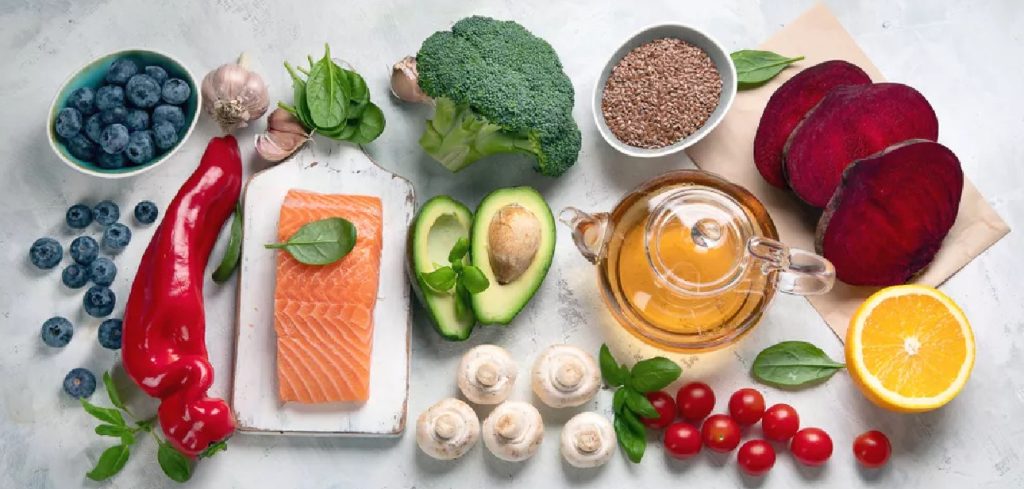
Consumers are increasingly seeking to optimise their health and well-being through their diet. Functional foods, enriched with health-promoting nutrients, are therefore attracting growing attention. Superfoods such as goji berries, chia seeds, turmeric and seaweed, rich in antioxidants and vitamins, are generating great interest. Consumers are willing to invest in these products to improve their diet and prevent health problems.

III. Organic and local foods

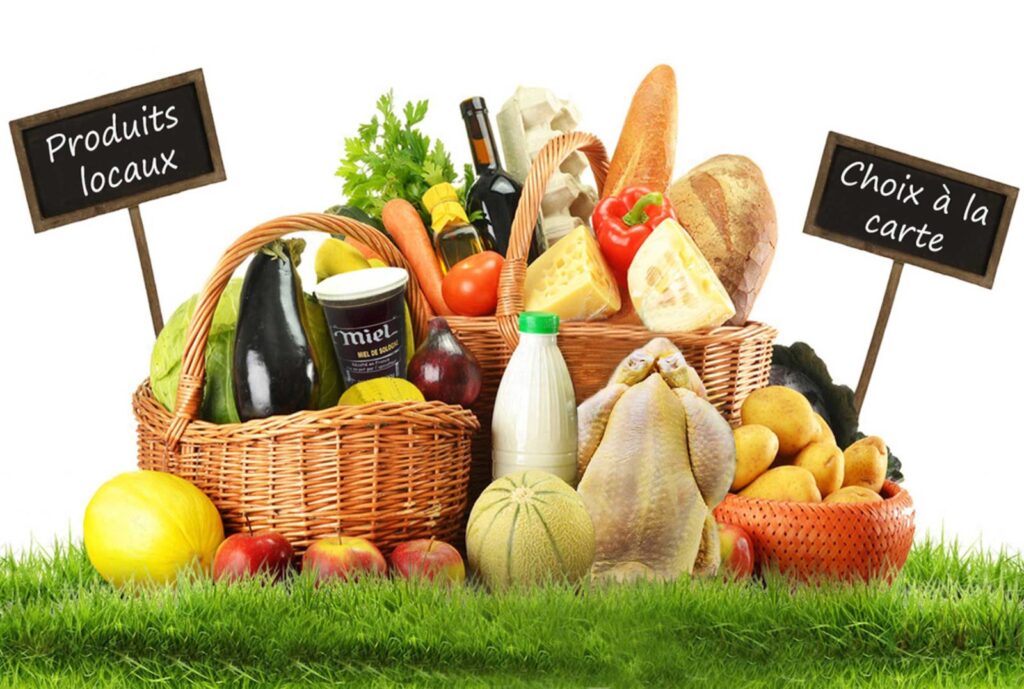
Awareness of the environmental impact of the food industry is leading many consumers to seek out organic and local foods. Products grown without chemical pesticides and food from local agriculture are gaining in popularity. Consumers are increasingly aware of the importance of supporting local farmers and reducing their carbon footprint. Companies that focus on the production and distribution of organic and local foods have every chance of thriving in the years to come.

Conclusion

The food industry is evolving rapidly to meet consumers’ new expectations. Plant-based alternatives, functional foods and organic and local products are among the most notable emerging trends. Companies that anticipate these trends and are able to offer innovative, high-quality products will have a significant competitive advantage in the food market of tomorrow. Staying attentive to consumer needs and adapting accordingly is essential to succeed in this constantly evolving industry.